



Specialty EHR software built for clinical efficiency
Streamline specialty care, documentation, and coordination
EMA® can help improve clinical workflows so you can get back to what you love
EMA EHR is built by and for practicing specialty physicians to streamline documentation and improve clinical efficiency. Specialty-specific and iPad-based, EMA learns your clinical habits and adapts to the way you uniquely practice medicine, automatically suggesting common treatments and specific diagnoses in near-real time for your review.
Additionally, our EHR system:
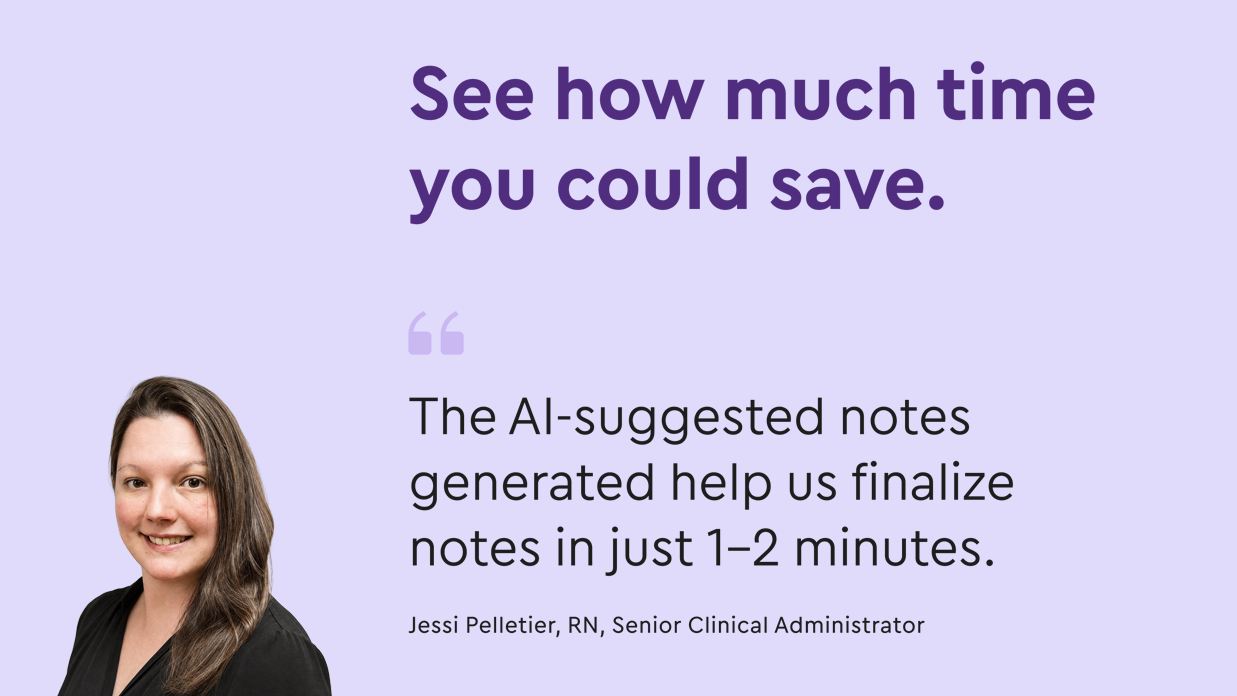
- Uses innovative AI ambient listening technology, called ModMed® Scribe, to translate natural conversation into clinical action
- Comes pre-loaded with medical content and protocols tailored to specific fields of medicine
- Synthesizes dense chart notes from past visits into 30-second summaries
- Allows for bidirectional communication with labs, enabling providers to send digital photos and visit notes with orders and then receive results directly in EMA
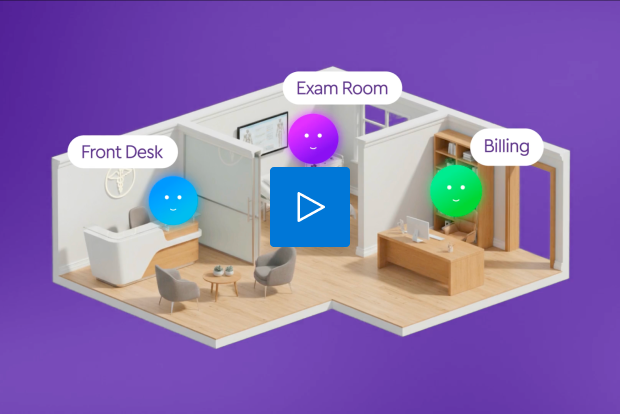
- Is part of an all-in-one platform that helps connect your entire practice — from clinical to billing
gGastro® EHR software for GI-specific workflows creates more harmony in your clinic
gGastro®, our gastroenterology-specific EHR, is built by and for gastroenterologists to help streamline documentation, support efficient GI workflows, and connect care across the practice, ASC, and hospital. This cloud-based EHR helps providers document faster with customizable workflows, GI-specific content, and suggested billing codes for review.
Additionally, our EHR system:
- Uses innovative AI ambient listening technology, called gScribe™, to capture patient-provider conversations and convert them into detailed suggested visit note content
- Comes pre-loaded with GI-specific medical content and custom templates to help accelerate documentation
- Supports access through a mobile EHR app so providers can work across the practice, ASC, hospital, or from home
- Interfaces with over 150 pathology labs and multiple clinical labs, enabling practices to send orders, receive electronic results, and reduce time spent completing forms, scanning reports, and sending or receiving faxes
- Connects with gGastro ERW to support endoscopy workflows, including automatic access to the patient clinical profile, one-click documentation preferences, physician recall tracking, paperless nursing notes, and access to Carequality-based bidirectional data exchange
- Is part of an all-in-one gastroenterology platform that helps connect clinical workflows, patient engagement, practice management, revenue cycle management, and analytics across the GI practice
What is EHR/EMR software?
Electronic Health Record (EHR) and Electronic Medical Record (EMR) software are digital platforms designed to replace paper charts by centralizing patient data, clinical notes, and medical histories. Our specialty-specific EHRs go beyond digital record-keeping by using AI and adaptive learning to streamline clinical workflows, automate documentation, and improve the overall efficiency of your practice.
What is the difference between EHR and EMR software?
EMA and gGastro are Electronic Health Records (EHR), which are broader digital records designed to follow the patient across care settings. An EHR includes the chart plus interoperability, longitudinal patient history, portals, e-prescribing, referrals, labs, HIE connections, analytics, and broader care coordination. EMR is an Electronic Medical Record, which is a digital version of a patient’s chart that includes notes, diagnoses, meds, orders, labs, and visit history.
Specialty-specific EHRs that are also you-specific
Choose your specialty to learn how we’ve tailored our EHRs to meet your needs
Allergy
Dermatology
ENT
Gastroenterology
OBGYN
Ophthalmology
Orthopedics
Pain Management
Plastic Surgery
Podiatry
Urology
Key features and capabilities of EMA
EMA is a specialty-specific EHR designed by practicing physicians to mirror your actual clinical workflows. Our adaptive technology learns your preferences and anticipates your next move, allowing you to focus on patients.
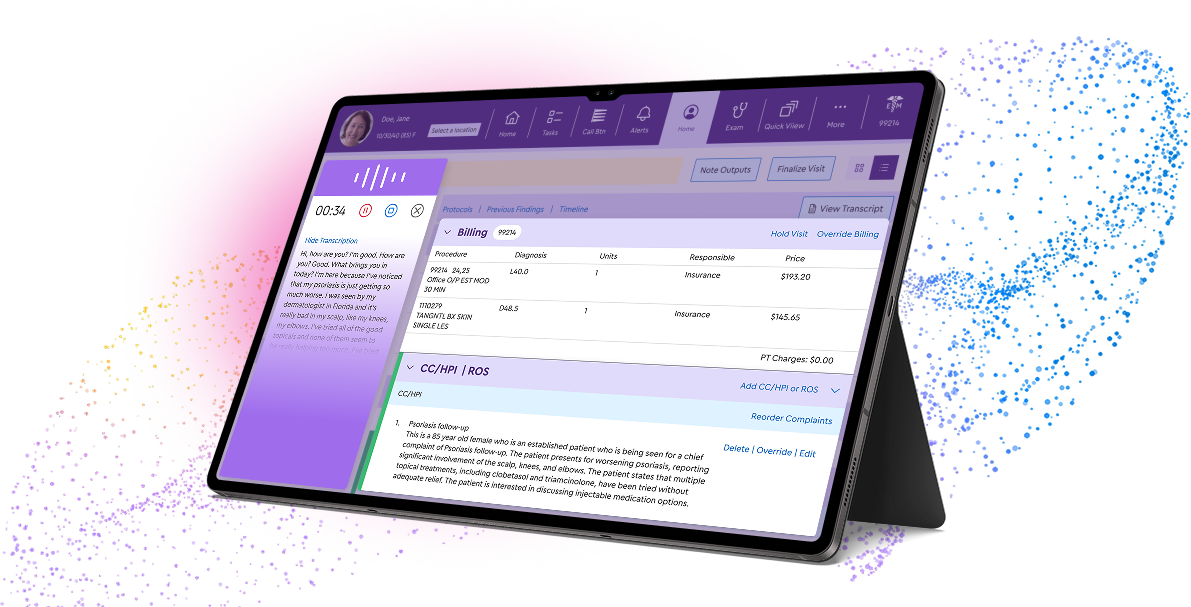
AI-powered documentation and coding support
Our newest AI tool, ModMed Scribe 2.0 for EMA, listens to your natural conversations and translates them into clinical actions — from visit notes to prescriptions to lab orders — and suggests ICD-10 codes in near real time, leaving you in control to review and approve them after. This is designed to streamline the documentation process and can help promote coding accuracy with minimal manual effort.
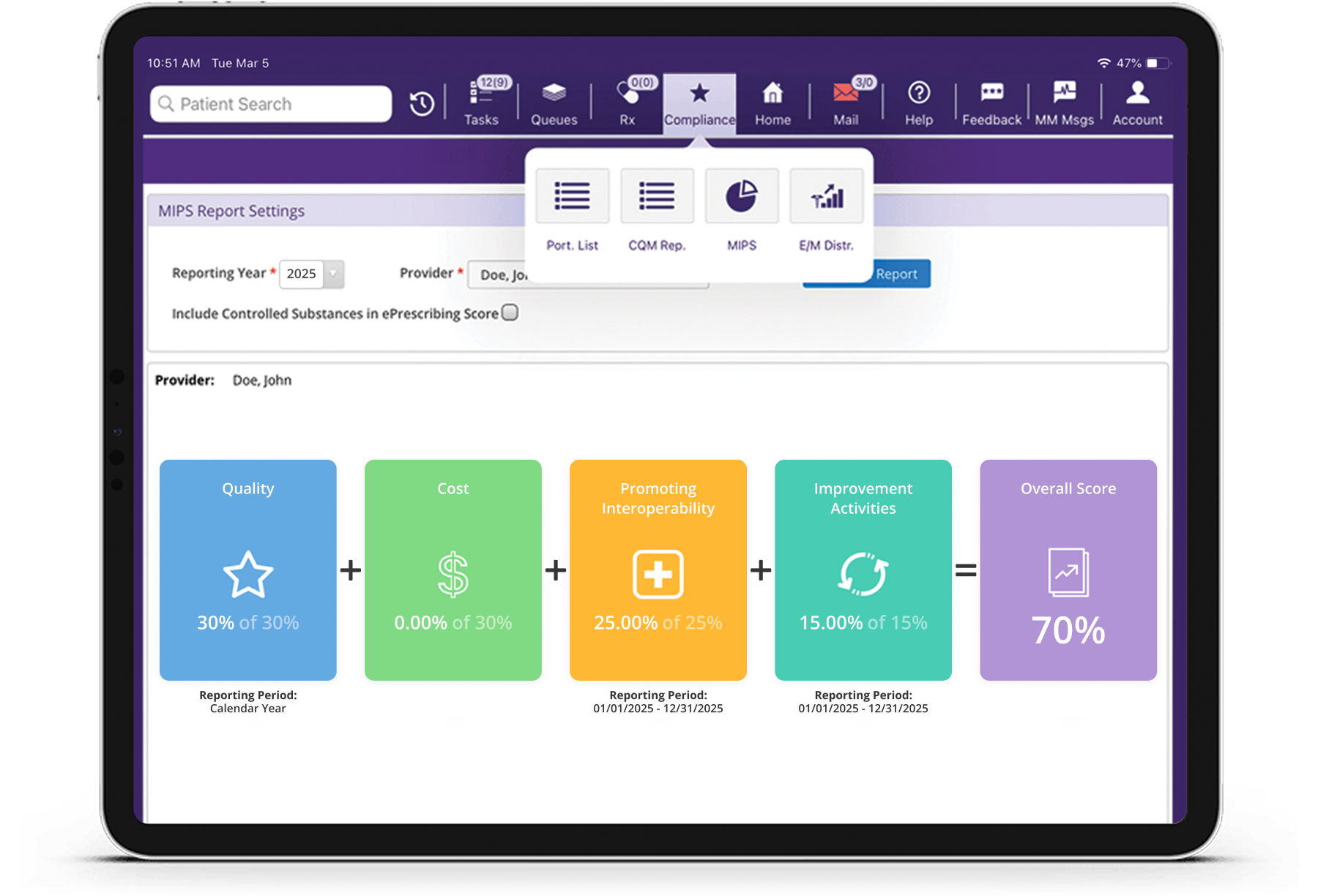
Integrated MIPS, analytics, and reporting
ModMed automates MIPS tracking and provides near real-time analytics dashboards directly within your workflow. This allows you to monitor practice performance and regulatory compliance.

All-in-one platform connecting clinical and billing
Our seamless integration links clinical charts directly to practice management and billing to reduce duplicate data entry. This unified approach can help accelerate the revenue cycle and improve financial transparency across your entire practice.
Real practices. Real results.

Using ModMed Scribe has reduced my documentation time by 50%, and I love how efficient and thorough my notes are.
Madeleine Prieto, PA-C
Wellington, FL

ModMed is user-friendly and links the clinical and billing instantaneously. My documentation is faster and more detailed.
Elizabeth Garbarino, MD, Asheville, NC

I instantly loved that ModMed’s interface looked a lot cleaner and modern. Also, the capability to click on actual pictures, draw on them and save those images into the patient’s chart.
Lindsay Hummel, DPM, Mechanicsburg, PA

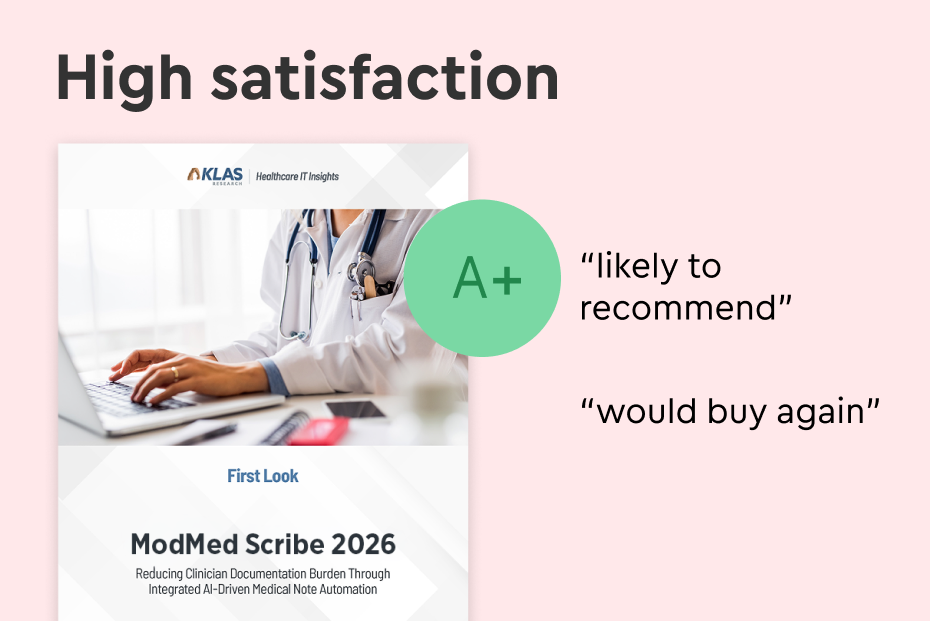
What is the top-ranking EMR system?
According to unbiased research‡ and our clients, the answer is clear.
%
were likely to recommend us
%
gave us top ratings for clinical documentation
%
believe our product is moving in the right direction
FAQs
What are the three types of EHRs?
In the healthcare industry, EHR systems are generally categorized by how they are hosted and delivered:
- Cloud-based (SaaS) EHR: These systems, like ModMed EHR EMA, are hosted on the vendor’s servers and accessed via the internet. They are known for lower upfront costs, automatic updates, and accessibility from any device.
- On-premise server-based EHR: This software is installed locally on a practice’s own physical servers. It requires a significant upfront investment in hardware and IT staff but offers the practice direct control over data storage.
- Specialty-specific EHR: Unlike one-size-fits-all systems, specialty-specific EHRs are built with preconfigured workflows and medical content tailored to specific fields like dermatology, ophthalmology, or orthopedics. ModMed specializes in this category with software designed by practicing physicians from your specialty who understand your challenges and the nuances of your workflows.
What are the 5 common functions of EHR systems?
Modern EHR systems are designed to go beyond digital record-keeping. The five most critical functions include:
- Clinical documentation: Streamlining the recording of patient encounters using content specific to your specialty, customizable templates, automated features, adaptive learning, and coding suggestions based on clinical documentation.
- Order entry and management: Facilitating ePrescribing (eRx) and the electronic ordering of lab tests or imaging.
- Clinical decision support (CDS): Providing real-time alerts for drug interactions and preventive care reminders.
- Patient engagement: Offering a secure Patient Portal for messaging, appointment scheduling, and health record access.
- Interoperability and reporting: Allowing for the seamless exchange of data between different healthcare providers and the capture of clinical quality measures to help with practice performance reporting and regulatory compliance, like MIPS.
Does ModMed offer EHR training?
Yes, ModMed provides a comprehensive, multistage training ecosystem designed to support practices from implementation through long-term optimization. Our training includes:
- ModMed U: A self-paced, online educational platform with step-by-step videos and tutorials.
- Instructor-led training: Remote, consultative sessions with expert educators to review specific workflows.
- Onboarding coaching: Tailored implementation plans that account for practice size and complexity.
- ModMed Communities: A robust knowledge base with quick reference guides and manuals accessible 24/7.
- Annual users conference (MOMENTUM): ModMed users are invited to attend our annual conference, where we offer specialized one-on-one software training and support, specialty-specific sessions, and more.
- ModMed Certification Program: MOMENTUM attendees have the opportunity to enroll in one of our certification learning paths in areas such as front office and financials.
Is ModMed difficult to learn?
ModMed EMA is designed to be intuitive, using an iPad and web-based interface and an adaptive learning engine that acts based on a provider’s past behavior and preferences. While any new technology has an initial adjustment period, many users find it easier to learn than traditional EHRs due to its specialty-specific design and simple configuration.
We recommend a SMART (Specific, Measurable, Attainable, Realistic, Time-bound) implementation plan, starting with a reduced patient load for the first few weeks to allow staff to gain confidence with the system’s automated features.
ModMed Scribe, our AI-powered documentation solution, helps simplify documentation so new hires can ramp quickly without needing deep EHR or note-taking expertise — reducing training time and keeping the practice efficient.
How is AI used in ModMed’s EHR?
ModMed is leading the transition to the AI-Powered Practice™ by creating AI-powered solutions designed to streamline the clinical workflow, including:
- ModMed Scribe: AI that listens to patient-provider conversations and suggests structured clinical notes, reducing manual documentation time and promoting more meaningful face-to-face interactions with patients.
- Enhanced Faxing: AI-powered solution that suggests patient matching and categories for incoming faxes, reducing human intervention.
As part of the AI-Powered Practice, ModMed’s EHR integrates seamlessly with our Practice Management system and Patient Collaboration tools to help streamline the flow of billing processes and patient engagement with AI-powered features like:
- Denial Assessment: Designed to identify and flag potential claim denials before they happen, reducing bottlenecks and improving overall billing efficiency.
- Message Routing: Enhancement designed to speed up message response and triage times by categorizing messages and forwarding them to the appropriate team’s inbox.