



ICD-10 medical coding solution built into your EHR
Last updated: June 2026
EMA EHR suggests ICD-10 codes from your exam notes
Anyone who navigated the October 2015 switch from ICD-9 to ICD-10 knows the challenge firsthand. A generic “knee pain” code suddenly split into dozens of highly specific entries based on laterality and encounter type. Practices scrambling with bolted-on coding translators learned a hard lesson. Now ICD-11 is coming, and if your EHR isn’t built to handle updates seamlessly, you could be staring down another wave of denied claims and delayed payments.
Read on to see how our EMA® EHR helps set practices up for today’s complexities — and preps them for the ICD-11 transition ahead.

Structured data helps cut down on coding steps
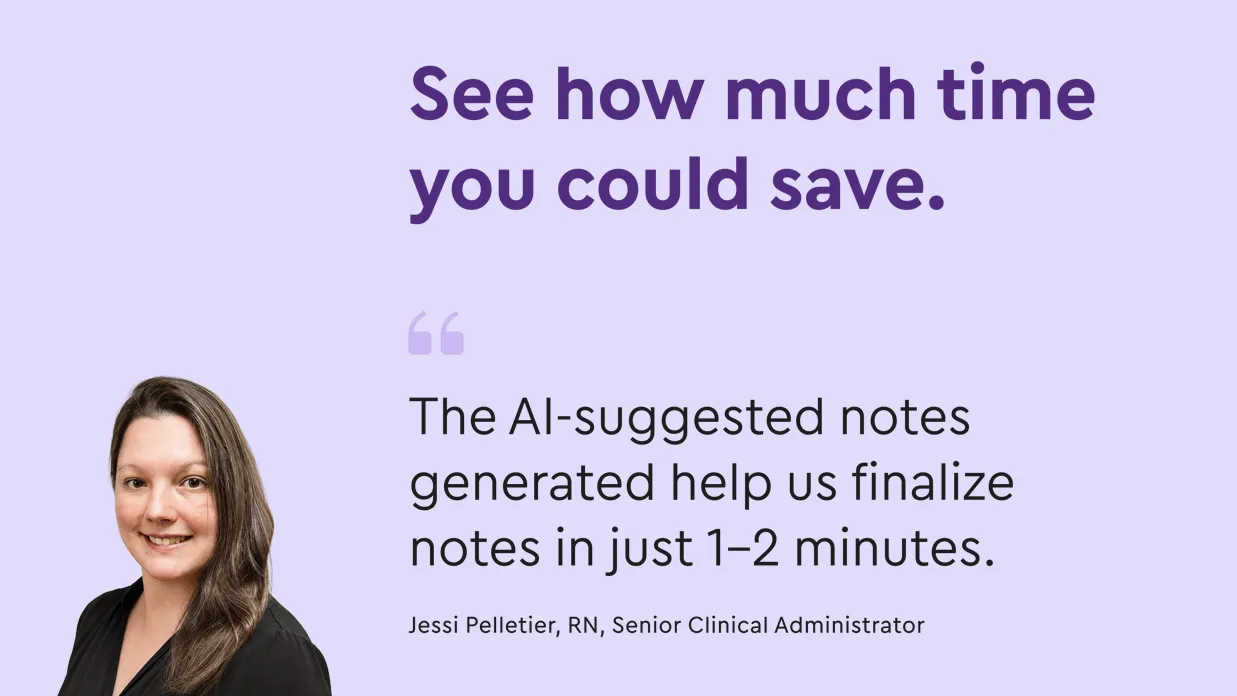
Generic EHR software forces you to search for codes yourself, resulting in endless clicks that add up. ModMed® built EMA EHR differently. The system captures structured data and uses specialty knowledge to automatically suggest ICD-10 codes based on your exam notes. And because our team manages the code mapping behind the scenes, you won’t skip a beat when ICD-11 drops. You just keep documenting, and EMA will suggest the most up-to-date codes for your approval.

The real cost of ICD-10 coding errors
The volume of ICD-10 codes demands precision. When your coding isn’t exact, it doesn’t just trigger a claim denial — it can trap the revenue your practice has already worked for. Suddenly, your billing staff is forced to play investigator, digging through past exam notes to find a missing modifier or laterality detail while on hold with insurance payers. This back-and-forth cycle can stall your cash flow and cause administrative headaches. It’s not just a billing problem; it’s a massive drain on your resources.

Built-in ICD-10 coding vs. crosswalks and translation tools
Bolted-on translation tools and general equivalence mappings (GEMs) — often referred to as “crosswalks” — act like a bad game of telephone, guessing at the billing code after the fact. EMA doesn’t guess. Because the suggestions are based on your clinical data points, it bypasses the need for clunky translators. Your documentation in the exam room naturally informs the highly specific billing codes presented for your final review.

CMS compliance deadlines and what they mean for your practice
Today, claims submitted with inaccurate or unspecified codes face immediate denial or future audit. If you’re relying on legacy translation tools to keep up with compliance requirements, you might expose your practice to unnecessary workflow bottlenecks and financial risk.